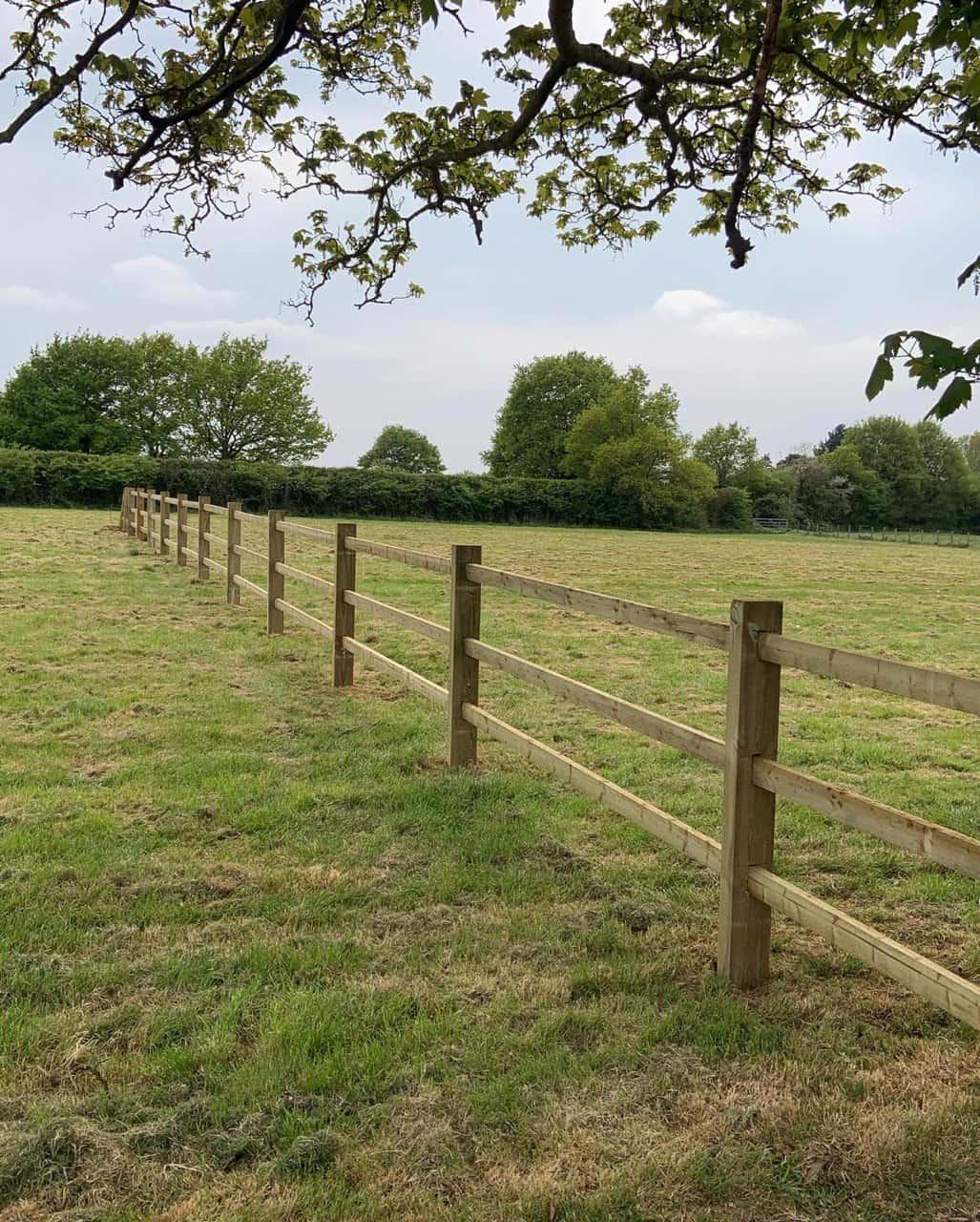
Common Installation Mistakes That Can Affect Post and Rail Fencing
Post and rail fencing is a practical choice for defining boundaries, enclosing open spaces and creating a traditional appearance around a property. Its simple design relies on securely installed posts and correctly fitted horizontal rails. However, mistakes during installation can affect the fence’s stability, appearance and ability to withstand changing weather conditions.
For property owners in Uckfield, East Sussex, understanding these common problems can help ensure that a new fence remains functional and durable. Fast Fix Fencing Uckfield provides professional fencing services, helping homeowners and landowners achieve installations suited to their property’s layout and requirements.
Installation Mistakes to Avoid When Fitting Post and Rail Fencing
Setting Fence Posts at the Wrong Depth
Fence posts provide the main support for the entire structure. If they are not installed deeply enough, they may become unstable, particularly when exposed to strong winds or pressure against the rails.
The required depth depends on factors such as post length, fence height, ground conditions and the intended use of the fencing. Posts should be securely anchored and installed consistently to prevent movement.
Failing to consider these requirements can result in leaning posts, uneven rails and a fence that gradually loses its alignment.
Using Inconsistent Post Spacing
Incorrect spacing between posts can place unnecessary strain on the horizontal rails. If the gaps are too wide, longer rail spans may bend or sag, particularly when the timber is exposed to changing moisture levels and temperature.
Spacing that varies along the fence can also create an untidy appearance and make it more difficult to fit the rails securely.
Careful measurement before installation helps maintain consistent spacing while ensuring that the rails receive adequate support.
Choosing Unsuitable Timber Sizes
The dimensions of the posts and rails should reflect the purpose and design of the fence. Using timber that is too small or weak for the intended application can compromise the structure.
For example, fencing designed to contain livestock may need more substantial components than a decorative boundary. The length of each rail span, fence height and expected pressure should all be considered.
Selecting suitable timber helps reduce the likelihood of bending, splitting and premature deterioration.
Failing to Account for Ground Conditions
Ground conditions have a direct influence on how securely fence posts can be installed. Loose, soft or uneven ground may require additional preparation to provide a stable foundation.
Installing posts without assessing the soil can lead to movement or gradual leaning. Sloping ground also needs careful planning so that the fence follows the landscape without creating inconsistent rail heights or awkward gaps.
A site assessment helps establish the most appropriate installation approach for the conditions.
Installing Rails at Uneven Heights
Post and rail fencing should have consistent horizontal lines to provide a neat and balanced finish. If rails are fitted at different heights, the fence can look uneven and may not perform as intended.
This mistake often results from inaccurate measurements or failing to account for changes in ground level. Each section should be planned carefully so that rail positions remain consistent along the fence.
On sloping ground, the installer may need to adjust the layout to achieve a suitable stepped or graduated appearance.
Using Inappropriate Fixings
The fixings used to secure rails to posts need to be suitable for external timber fencing. Incorrect fixings may loosen over time, particularly when the fence is exposed to repeated movement, moisture and wind pressure.
Poorly positioned fixings can also split the timber or create weak connection points. Using appropriate materials and securing each rail correctly helps maintain the strength of the structure.
Neglecting Timber Treatment and Drainage
Timber fencing is constantly exposed to outdoor conditions. Using untreated or unsuitable timber can increase the risk of decay, particularly where posts come into contact with damp soil.
The quality and treatment of the timber should be considered before installation. Ground-contact sections need appropriate protection, while the surrounding area should allow water to drain rather than remain trapped around the base of the posts.
These details can make a significant difference to the long-term condition of the fence.
Overlooking the Purpose of the Fence
A final mistake is choosing a standard design without considering how the fencing will be used. A boundary fence, decorative garden feature and livestock enclosure may all require different heights, rail arrangements and levels of strength.
The intended purpose should guide decisions about timber dimensions, post spacing and overall layout. Planning these details beforehand helps avoid a finished fence that does not meet the property’s practical requirements.
Why Professional Installation Matters
Post and rail fencing may appear straightforward, but achieving a stable and consistent result requires careful preparation and accurate installation. Errors in post positioning, timber selection or rail fixing can affect the entire structure.
Fast Fix Fencing Uckfield can assess your property, recommend suitable fencing materials and install post and rail fencing designed around your requirements. Professional workmanship helps ensure that each section is properly aligned, securely supported and suited to the ground conditions in Uckfield, East Sussex.
Conclusion
Common post and rail fencing installation mistakes include inadequate post depth, inconsistent spacing, unsuitable timber sizes and poorly secured rails. Neglecting ground conditions and timber protection can also shorten the useful life of the installation.
If you are planning a new post and rail fence, contact Fast Fix Fencing Uckfield to discuss your requirements. A carefully planned and professionally installed fence can provide a practical, attractive boundary for your property in Uckfield, East Sussex.
Call us on: 01825 705 498
Click here to find out more about Fast Fix Fencing Uckfield
Click here to complete our contact form and see how we can help with your fencing needs.