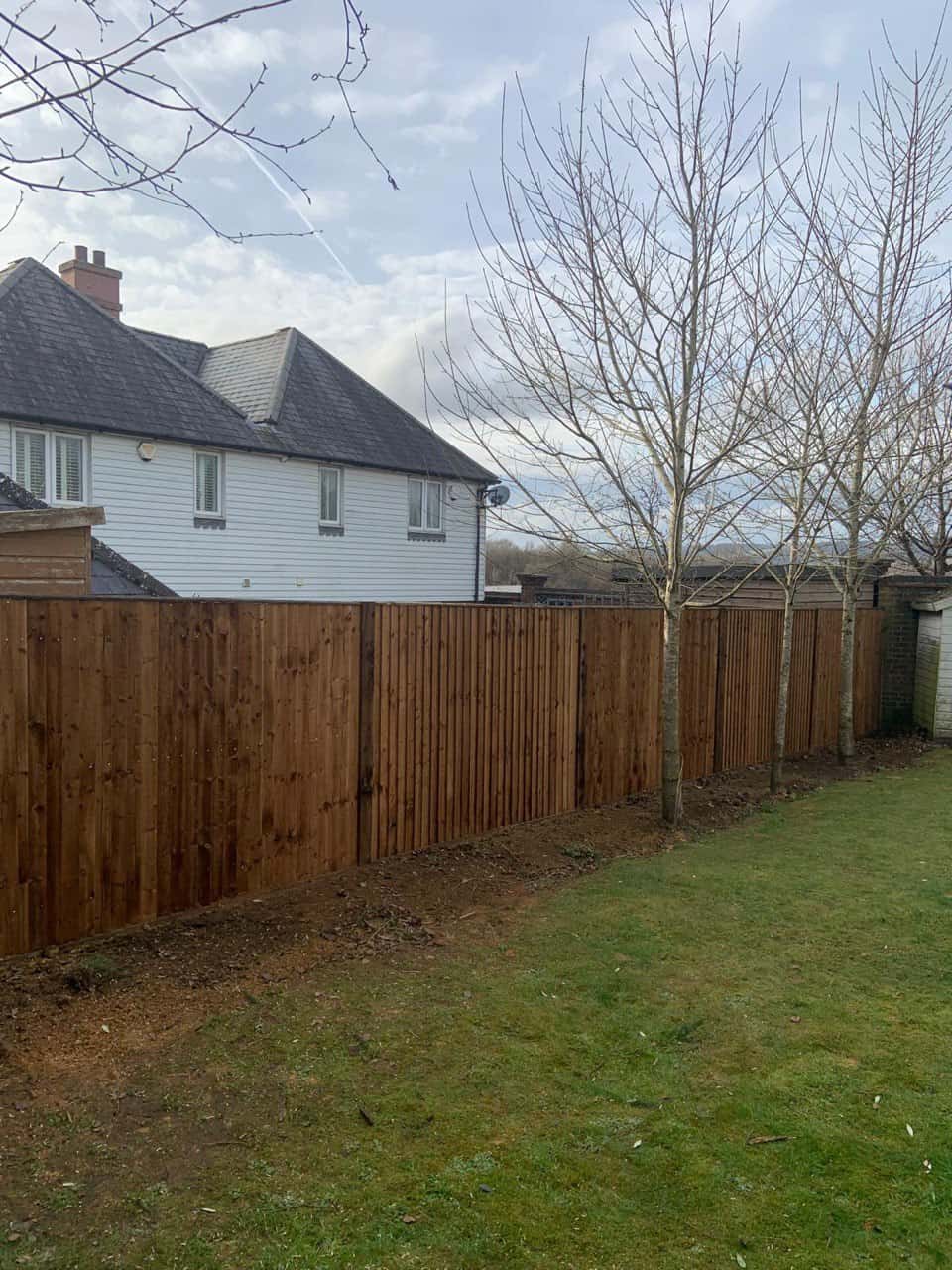
How Fencing Can Help Make an Open Garden Feel More Private
An open garden can feel spacious and welcoming, but it may also leave homeowners feeling more exposed than they would like. Clear sightlines from neighbouring properties, surrounding gardens, footpaths or other nearby spaces can make it difficult to relax outdoors, particularly when seating and entertaining areas are highly visible.
Well-planned fencing can transform the way a garden feels without changing how the space is used. By creating clearer boundaries and interrupting unwanted sightlines, fencing can make outdoor areas feel more enclosed, comfortable and personal.
For homeowners in Uckfield, East Sussex, Fast Fix Fencing Uckfield can help create fencing that balances privacy with the appearance and practical requirements of the garden.
Why Do Some Gardens Feel More Exposed Than Others?
Privacy is not determined by garden size alone.
A large garden can still feel exposed if neighbouring properties overlook it, while a smaller garden can feel surprisingly secluded when its boundaries and layout are carefully considered.
Common Reasons a Garden May Feel Open Include:
- Low or incomplete boundaries
- Direct views from neighbouring gardens
- Seating positioned within obvious sightlines
- Large gaps between existing boundary features
- Open sections around patios or entertaining spaces
- Inconsistent fencing around the garden
- Boundaries that provide separation without meaningful screening
Understanding where the sense of exposure comes from is the first step towards choosing an appropriate fencing solution.
How Does Fencing Improve Garden Privacy?
Fencing creates a physical screen between the garden and surrounding areas.
However, effective privacy fencing involves more than simply enclosing the perimeter. The position, height, design and continuity of the fence all influence how successfully it reduces unwanted views.
A professionally planned fence can create a stronger sense that the garden is a defined part of the home rather than an exposed outdoor area.
1. Fencing Can Interrupt Direct Sightlines
One of the most effective ways fencing improves privacy is by blocking or reducing direct views into frequently used parts of the garden.
For example, a patio may feel exposed because it sits directly opposite an open boundary. Appropriate fencing along that boundary can significantly change how the area feels.
Particular Attention Can Be Given To:
- Patios
- Outdoor seating areas
- Garden dining spaces
- Paths close to boundaries
- Children’s play areas
- Frequently used sections of lawn
Rather than thinking only about the garden perimeter, it is useful to consider which parts of the garden would benefit most from screening.
2. A Continuous Boundary Can Make the Garden Feel More Enclosed
Gaps and inconsistent boundary treatments can contribute to an open feeling.
One section may have established fencing while another is much lower or completely open. This can create interrupted privacy and make the entire garden feel less defined.
Installing a more consistent fence line can visually bring the space together.
The result is often a garden that feels more organised as well as more private.
3. Privacy Fencing Can Make Seating Areas More Comfortable
A garden is more enjoyable when homeowners feel comfortable spending time in it.
If an outdoor table, seating area or patio is directly overlooked, it may not be used as frequently as intended.
Creating suitable screening around the wider garden can make these areas feel more relaxed without needing to enclose the seating area itself.
Improved Privacy Can Make the Garden Better Suited To:
- Outdoor meals
- Relaxing
- Entertaining
- Gardening
- Family activities
- Everyday time outdoors
This is one of the practical reasons fencing can have such a noticeable effect on how a garden is used.
4. Fencing Creates Clearer Boundaries
A clear boundary provides more than privacy.
It gives the garden a defined edge and helps establish where different areas begin and end.
This can be especially useful in open gardens where the boundaries currently blend into surrounding spaces.
Well-positioned fencing can create a stronger visual framework for lawns, planting, patios and other garden features.
Choosing the Right Fencing Style Matters
Different fencing designs provide different levels of screening.
A highly open design may define the boundary effectively while offering relatively limited privacy. A more solid style can provide substantially greater visual screening.
The right choice depends on what the homeowner wants to achieve.
Useful Questions Include:
- Which parts of the garden currently feel exposed?
- Where are the main unwanted sightlines?
- How much screening is required?
- What style suits the existing garden?
- Does the garden need privacy across the whole boundary or mainly in particular areas?
- Are there existing trees, hedges or structures that already provide screening?
Considering these factors helps avoid installing fencing that looks suitable but does not solve the actual privacy problem.
Why Fence Position Is Just as Important as Fence Design
Where fencing is installed can influence its effectiveness considerably.
The obvious approach may be to concentrate solely on the outer perimeter, but understanding sightlines can produce a more useful result.
For example, the section behind a patio may require particular attention because that is where people spend the most time.
Professional planning can identify where fencing will have the greatest practical impact.
Can Fencing Make a Small Garden Feel Too Enclosed?
It does not have to.
Privacy and openness need to be balanced according to the individual garden.
The choice of fencing, layout and surrounding landscaping can influence whether the completed area feels comfortable or overly enclosed.
A Balanced Garden Can Combine:
- Appropriate privacy fencing
- Open lawn areas
- Planting alongside boundaries
- Clearly defined paths
- Practical seating positions
- Visual variation through landscaping
The aim is not necessarily to make the garden feel completely closed. It is to create enough screening for the space to feel comfortable and private.
Fencing Can Work Alongside Existing Planting
Existing trees, shrubs and hedges can contribute significantly to garden privacy.
However, natural screening is not always consistent throughout the year or across the complete boundary.
Fencing can provide the structural boundary while planting softens its appearance.
This combination can work particularly well where homeowners want greater privacy without making fencing the only visual feature around the garden.
Why Gaps Can Undermine Privacy
A privacy fence is most effective when its design is consistent with the level of screening required.
Large gaps between panels, poorly planned transitions or incomplete sections can preserve direct views into the garden.
This is why the entire fence line should be considered during planning.
A well-designed boundary should account for:
- Corners
- Changes in ground level
- Gates
- Existing structures
- Changes in direction
- Connections with other boundary features
Attention to these details helps create a more coherent finished result.
Ground Levels Can Affect How Private a Fence Feels
Not every garden is completely level.
Where the ground rises or falls, the effectiveness of a fence can change considerably along the boundary.
A section that provides good screening at one point may be less effective where the surrounding ground is higher.
Site Assessment Should Consider:
- The level of the garden.
- Changes along the boundary.
- The position of neighbouring spaces.
- Important sightlines.
- Existing fencing and planting.
- The location of frequently used garden areas.
This allows the fencing to be planned around the actual site rather than treating every boundary as though it were identical.
Gates Should Be Considered as Part of the Privacy Plan
A gate is a necessary access point, but it should also integrate with the surrounding fencing.
An unsuitable gate design can create a noticeably open section within an otherwise private boundary.
Where privacy is important, the gate should complement the overall purpose and appearance of the fence.
Professional installation also helps ensure that gate posts are properly supported and the entrance operates reliably.
Good Fencing Can Improve the Overall Appearance of the Garden
Privacy may be the main objective, but new fencing can also improve the visual organisation of the outdoor space.
Old, mismatched or leaning boundary features can distract from otherwise attractive landscaping.
A consistent fence can create a cleaner backdrop for:
- Lawns
- Flower beds
- Shrubs
- Patios
- Garden furniture
- Paths
- Other landscaping features
The boundary effectively becomes part of the overall garden design.
Why Installation Quality Matters
Even well-chosen fencing will not perform effectively if it is poorly installed.
Posts need suitable support, panels or boards need correct alignment, and the complete fence line should be constructed with the conditions of the site in mind.
Poor Installation Can Lead To:
- Leaning sections
- Uneven fence lines
- Unnecessary gaps
- Unstable posts
- Poorly aligned gates
- Movement during windy conditions
Professional installation helps ensure that the privacy created on completion is supported by a stable and properly constructed boundary.
Existing Fencing May Not Always Need Complete Replacement
If a garden already has fencing but still feels exposed, the first step should be assessing why.
Some sections may remain perfectly serviceable while other areas provide inadequate screening or have deteriorated.
A professional assessment can determine whether attention is required across the whole boundary or only in specific locations.
This avoids treating every privacy problem as though it automatically requires an entirely new fence line.
Think About How You Actually Use the Garden
The best fencing layout should reflect everyday life.
A homeowner who primarily uses a patio close to the house may have different privacy requirements from someone who regularly spends time at the far end of the garden.
Before deciding on fencing, consider:
- Where you normally sit
- Which areas feel most overlooked
- Where visitors gather
- Which parts of the garden are used most frequently
- Where privacy matters most
- Whether current boundaries already provide useful screening
These practical observations can help produce a more effective fencing design.
Professional Fencing in Uckfield
For homeowners in Uckfield, East Sussex, Fast Fix Fencing Uckfield can assess open or overlooked gardens and recommend fencing suited to the individual layout of the property.
We consider existing boundaries, ground levels, important sightlines, gates and the parts of the garden that require the greatest degree of privacy.
By approaching fencing as part of the complete outdoor space, rather than simply installing a barrier around its edge, it is possible to create a garden that feels more defined, comfortable and enjoyable to use.
Conclusion
Fencing can make a significant difference to an open garden by reducing unwanted sightlines, defining boundaries and creating greater separation from surrounding spaces.
The most effective solution depends on more than simply choosing a solid fence. Position, design, ground levels, gates, existing planting and the way the garden is actually used should all be considered.
A professionally installed fence can provide privacy while also creating a cleaner and more organised backdrop for the rest of the garden.
If your garden in Uckfield, East Sussex feels too open or overlooked, Fast Fix Fencing Uckfield can assess the space and provide a professionally installed fencing solution designed around the privacy and practical needs of your garden.
Call us on: 01825 705 498
Click here to find out more about Fast Fix Fencing Uckfield
Click here to complete our contact form and see how we can help with your fencing needs.